Sarcopenia: What Every Woman Over 60 Should Know About Muscle Loss
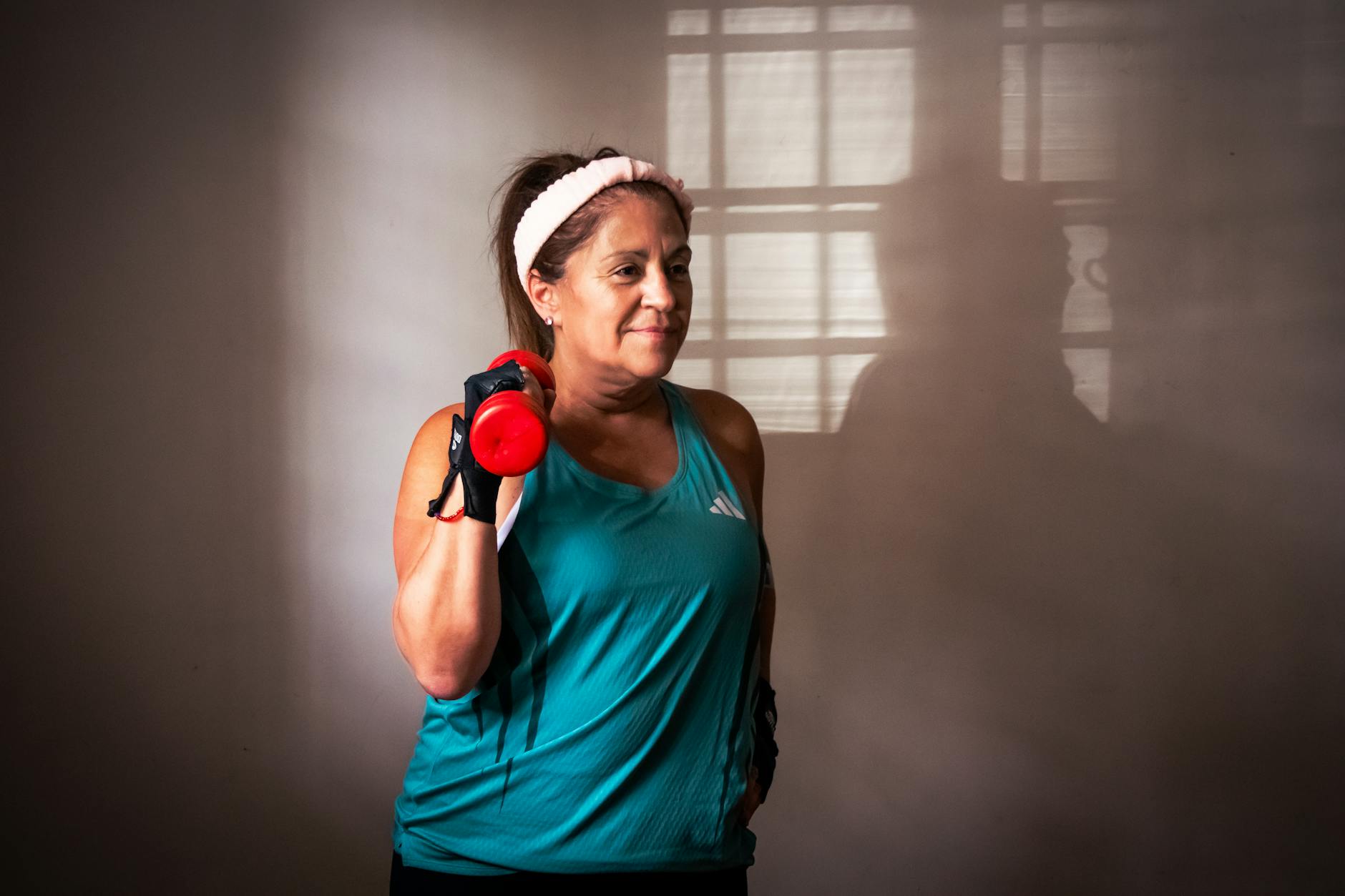
Most of the women I coach can give me a confident definition of osteoporosis. Almost none of them, when I first meet them, have heard the word sarcopenia. That is a quirk of medical education, not a small detail. Sarcopenia is the gradual, age-related loss of muscle mass and strength, and over a decade it shapes daily life as much as bone loss does, sometimes more.
I'm Marischa, a NASM-certified personal trainer with a Senior Fitness Specialist focus, and this is a calm explainer of what sarcopenia is, why it matters for women over sixty, and what the evidence suggests genuinely helps. As always, this is general guidance, not medical advice; please speak with your GP if you have specific concerns about strength loss or unexplained weakness.
What Sarcopenia Actually Is
The term comes from the Greek for 'flesh' and 'lack' (sarx + penia). It describes a progressive loss of skeletal muscle mass and function with age. The European Working Group on Sarcopenia in Older People (EWGSOP) currently defines it primarily by reduced muscle strength, with confirmed low muscle mass and (in severe cases) reduced physical performance.
A few numbers, gently:
- After roughly age forty, adults lose on average 1 to 2 percent of muscle mass per year unless they actively train against it. By eighty, untrained adults can have lost 30 to 40 percent of the muscle they had at thirty.
- Strength declines faster than mass. The number that matters in daily life (whether you can rise from a chair, carry shopping, climb stairs) tends to decline by around 1.5 percent per year in untrained adults from sixty onward.
- Sarcopenia rarely shows up dramatically. Most women experience it as a vague 'I get tired faster than I used to' that creeps up over a decade.
The Cleveland Clinic page on sarcopenia and the academic EWGSOP2 consensus paper (freely accessible) are the two best plain-language sources I know on what sarcopenia is and how it is diagnosed.
Why It Matters Beyond the Word
Sarcopenia is not a vanity diagnosis. It correlates strongly with several outcomes that matter:
- Falls and fall-related injury. Weak hip and leg muscles are among the most consistent predictors of falls in older women.
- Independence in activities of daily living. Bathing, climbing stairs, getting up from the floor, opening jars: all are easier when muscle mass holds up.
- Recovery from illness. Older adults with low muscle reserve recover more slowly from a chest infection, a hospital admission, or surgery.
- Glucose regulation. Muscle is one of the body's main glucose buffers; less muscle means less buffering capacity, which has implications for type 2 diabetes risk.
- Mortality. Several large cohort studies link low muscle strength (especially grip strength, covered in our piece on grip) to higher all-cause mortality, independent of body weight.
The NIA exercise and physical activity hub underlines the value of regular resistance work as muscle and bone tend to weaken together.
Risk Factors That Are Worth Knowing
Some risk factors for sarcopenia are simply 'getting older'. Others are modifiable.
Modifiable:
- Inactivity, especially long stretches of sitting.
- Inadequate protein intake.
- Long bedrest from illness or hospital stays.
- Smoking.
- Heavy alcohol use.
- Vitamin D deficiency (a topic we will return to in our piece on vitamin D for women over 60).
- Chronic, low-grade inflammation from poorly controlled conditions.
Non-modifiable, but worth knowing:
- Female biology in menopause: the oestrogen drop accelerates muscle loss compared with men of the same age.
- A history of long childhood inactivity (lower lifetime peak muscle mass).
- Certain genetic factors that influence muscle response to training.
The headline is not pessimistic: the largest risk factor by a long way is inactivity, and it is the one that responds best to intervention.
What Reliably Helps
The research on sarcopenia is unusually consistent for an age-related condition. Three interventions, used together, do the heavy lifting:
1. Resistance Training
By far the most powerful single intervention. Two to three sessions per week of strength work, against meaningful resistance, can preserve and even increase muscle mass and strength in women in their seventies and eighties. We covered the basics in our pieces on strength training after 60 and resistance bands for beginners.
The key word is 'meaningful'. Resistance has to be genuinely challenging. A 1-kilogram dumbbell that has lived on a shelf since 1998 is unlikely to do the job. The reassuring news: 'genuinely challenging' for a sixty-five-year-old beginner is often surprisingly modest, and it grows steadily with consistent practice.
2. Adequate Dietary Protein
The Recommended Daily Allowance for protein (0.8 g per kg of body weight) was set on data from younger adults and is now considered low for older adults by most clinical bodies. A fairer target for active women over sixty is 1.0 to 1.2 g/kg of body weight per day, with some sources suggesting up to 1.5 g/kg in those recovering from illness or losing weight.
Distribution matters. The body uses protein more efficiently if intake is spread across breakfast, lunch, and dinner rather than concentrated in one meal. We covered the practical side of this in our protein guide for women over 60.
3. Reducing Sedentary Time
Independent of structured exercise, the number of hours spent sitting predicts muscle and metabolic outcomes in older adults. Breaking up long sits with short walks (every 30 to 45 minutes during the day) makes a measurable difference, even if total exercise volume does not change.
The NIA exercise and physical activity guidance pulls these threads together for older adults specifically.
Simple Self-Checks Worth Doing
For older women curious about where they stand, three at-home checks are surprisingly informative:
- 30-second sit-to-stand test. Sit on a sturdy chair with arms folded. Count how many full sit-to-stands you can do in 30 seconds. Below 10 to 12 in your sixties is a useful flag for further attention.
- 5-times sit-to-stand test. Time how long it takes to do five sit-to-stands without using your hands. Over 12 seconds is also a useful flag.
- Calf circumference. Measure the widest point of the calf. Below 33 cm in older women correlates with low muscle mass in research populations.
None of these are diagnostic. They are conversation-starters with your GP if you wonder whether muscle loss is more advanced than you assumed.
When to Talk to a Healthcare Professional
A GP visit is worth the time if:
- You have unintentionally lost weight in the last six months without trying.
- You feel weaker than you did a year ago in a way that affects daily life.
- You have had a fall in the past year.
- You have a chronic condition (rheumatoid arthritis, kidney disease, COPD, type 2 diabetes) that is known to accelerate muscle loss.
- You have been on a long course of corticosteroids.
Referrals to a dietitian, physiotherapist, or specialist in geriatric medicine can make a meaningful difference, particularly when sarcopenia overlaps with other conditions.
A Closing Thought
Sarcopenia is one of those conditions that benefits enormously from being named. The women I coach who understand the term tend to make small, consistent decisions across the next decade that quietly preserve their independence: a 30-minute strength session twice a week, a chicken thigh added to lunch, a walk between podcast episodes instead of a second sit. None of those choices feels heroic on the day. The arithmetic of the decade is what matters.
It is also one of the few conditions where the evidence is genuinely clear that doing something works. We cannot stop ageing. We can almost always slow muscle loss. And the difference between losing 30 percent of your muscle in twenty years and losing 5 percent is essentially the difference between a confident eighty-five and a hesitant one.
If the choice is yours to make (and for most readers, it is), it is one of the most leveraged choices on offer.