Staying Active on Holiday: Travel Fitness Tips After 60
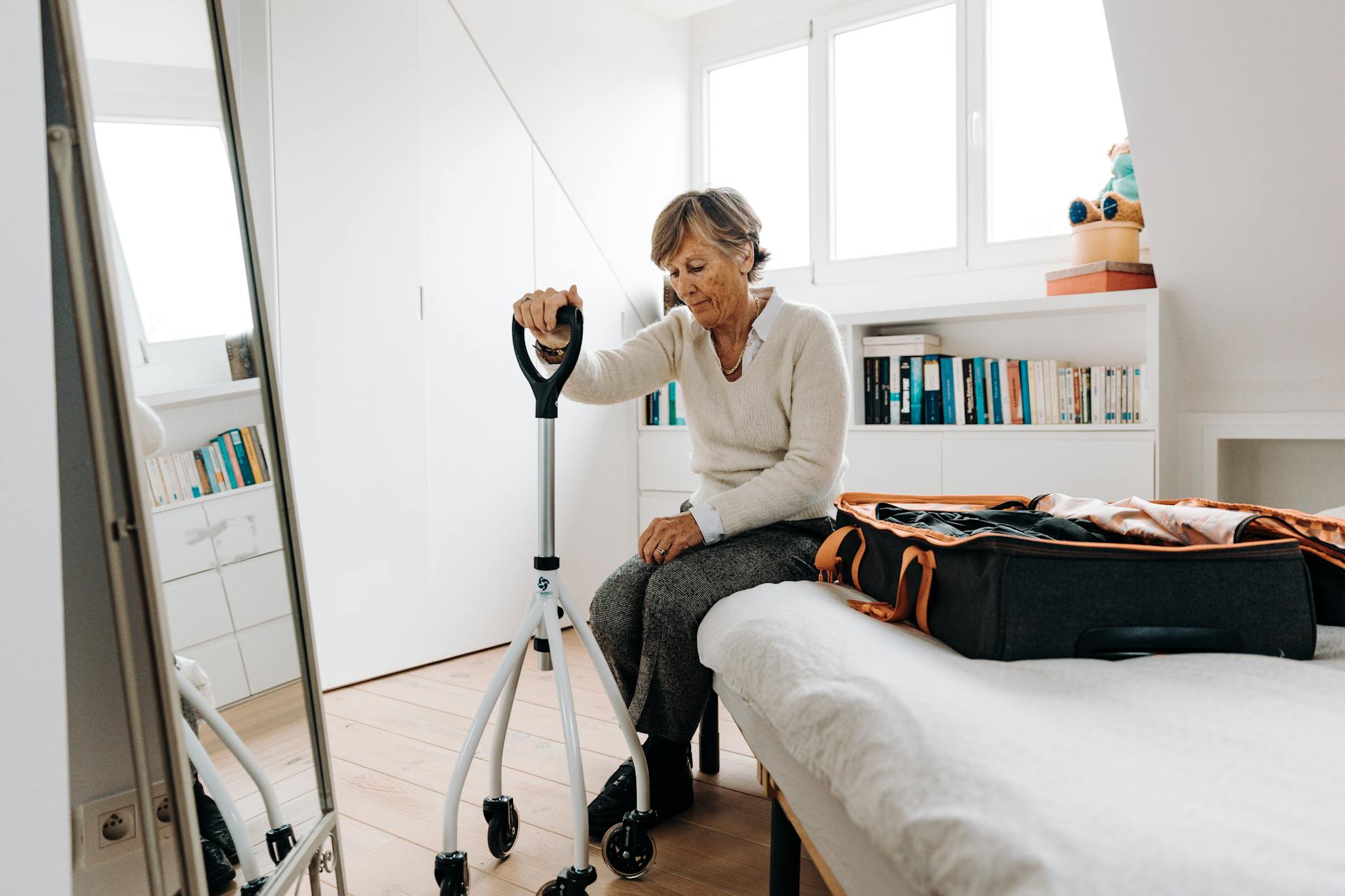
One of the most reliable patterns in fitness coaching is also one of the most predictable: clients build steady momentum for two months, take a fortnight away, and come back genuinely surprised by how much sharper their joints feel and how much harder the first session is. The lesson is rarely that the holiday was a mistake. It is that travel deserves a small, calm fitness plan of its own, and almost no-one writes one for women over sixty.
I'm Marischa, a NASM-certified personal trainer with a Senior Fitness Specialist focus. This is a friendly guide to staying gently active when you are travelling, whether the trip is a city break, a beach week, a long-haul flight to see grandchildren, or a cruise that sounds delicious for all the wrong reasons. The aim is not to turn holidays into training camps. It is to keep enough movement in the week that you arrive home recognisable to your knees.
The Real Cost of Two Weeks Off
A fortnight of complete inactivity is, in older adults, a measurable nudge backwards. Studies summarised in the NHS physical activity guidelines for older adults suggest that even a week of bed-rest in older adults can lead to roughly 1 to 2 percent loss of muscle mass and noticeably slower walking speed afterwards. Holidays are not bedrest, of course; people walk around cities and float in pools. But the structured strength sessions, balance practice, and core work usually go to zero, and that is the work that holds the line on age-related changes most reliably.
The good news: keeping a small amount of movement in the schedule (think 15 minutes of strength three times during the trip, plus normal walking) tends to prevent most of that regression.
A Calm Plan for the Pre-Trip Week
A few small choices before leaving make a disproportionate difference:
- Pack one small set of resistance bands. They weigh nothing and travel anywhere; we covered the basics in our resistance bands beginner guide.
- Pack one good pair of supportive walking shoes. Holiday footwear is one of the leading causes of holiday foot pain.
- Hydrate well in the 48 hours before flying. Cabin air is dehydrating; starting hydrated helps. We covered fluid balance in how much water women over 60 actually need.
- Move the day before flying. A short walk and a gentle stretching session helps the back tolerate the seat better.
The NHS Fit for Travel page covers travel-medicine basics by destination.
On the Plane (and the Train)
Long sits are harder on older bodies. The veins in the legs do not pump blood back up as efficiently, and the lower back stiffens faster.
A few practical habits:
- Get up every 60 to 90 minutes when feasible. Walk to the rear of the plane, stretch briefly, return.
- Ankle pumps in the seat. 20 in each direction, hourly. Surprisingly effective at keeping the calf muscle pump active and reducing leg swelling.
- Compression stockings if your GP has suggested them, particularly for flights over 4 hours.
- Drink a small glass of water every hour. Avoid more than one alcoholic drink on the flight; alcohol at altitude affects sleep noticeably.
- Pack a small lumbar cushion or rolled-up scarf. Aircraft seats and older lower backs disagree by design.
A 15-Minute Hotel Room Routine That Needs Nothing
This is the routine I send to clients before they travel. It works on a hotel-room floor, an apartment balcony, or any 2 metres of clear floor.
- 2 minutes of marching in place. Heart rate up gently.
- 10 chair squats. From a sturdy chair, sit and stand with control.
- 10 wall push-ups. Hands on the wall at shoulder height, lower the chest toward the wall and push back.
- 10 standing rows with a band (or 10 'air rows' if no band: pretend to row while squeezing the shoulder blades back).
- 10 standing knee-lifts. One knee at a time, hold for 1 second, switch.
- 30 seconds of hold on each leg standing single-leg balance (use the wall lightly if needed).
- 2 minutes of stretching: calf stretch on the wall, standing quad, gentle side-bend.
Three of these sessions in a fortnight is enough to keep most of your strength gains intact. Five sessions is enough to come back stronger than you left.
Even the strip of carpet between the bed and the wardrobe is usually space enough.
Sightseeing as Cardio
Most of my clients walk far more on holiday than they realise, and the cumulative load on knees and feet can take them by surprise. A few sensible patterns:
- Aim for 20 to 25 thousand steps a day, not more, especially in the first three days.
- Sit and rest properly for ten minutes every two hours. Cafés exist for a reason.
- Pick comfortable shoes over photogenic ones; this is one place where vanity has unusually high costs.
- Treat the flight day itself as a near rest day with light walking only.
If joints feel grumpy after a heavy walking day, a short pool session (or even a warm bath) the next morning is one of the kindest reset buttons available. We covered why in swimming and water exercise after 60.
Heat, Altitude, and Time Zones
Three environmental challenges deserve specific notes:
Heat. Mediterranean and tropical destinations in summer ask more from older bodies, and we covered the case in exercising safely in summer heat after 60. Mornings or evenings; siesta seriously; drink more than you think you need.
Altitude. Anywhere above roughly 2,500 metres takes the breath in older adults more than younger. Walking should feel pleasantly easy for the first 24 to 48 hours; if you feel breathless on flat ground, sit down and wait. The American Heart Association altitude guide is worth reading if you are flying to a mountain destination.
Time zones. Jet lag of more than four hours is harder to shake in our age group. A short, gentle walk in daylight on arrival, followed by an early night, is more effective than caffeine.
Eating Well Without Becoming a Hermit
Holiday food is one of the joys of being away, and there is no need to apologise for it. A few light habits keep things friendly without requiring discipline:
- Aim for a protein source at every main meal. Most cuisines make this easy.
- A piece of fruit at breakfast and a vegetable side at dinner covers most of the fibre that holiday eating tends to drop.
- Alcohol moderation matters more in our sixties; one less drink each evening makes sleep markedly better.
- Food poisoning is far more common than people realise; the NHS Fit for Travel food and water hygiene advice is a sensible quick read before unfamiliar destinations.
Cruises, Family Visits, and All-Inclusives
A few destination-specific notes:
- Cruises. The buffet is the main fitness challenge, not the lack of options; most modern ships have well-equipped gyms, walking decks, and water aerobics that work beautifully for our age group.
- Visiting family. Especially with grandchildren, the activity load is unpredictable. Add a short morning routine before everyone wakes up; the day's schedule will not allow it later.
- All-inclusives. Pool aerobics is your friend. Most resorts run them daily and they are surprisingly well-coached.
- Camping. Sleep quality is often lower; a longer afternoon nap and earlier morning movement compensate.
When to Take a Genuine Rest Week
Not every holiday is for staying active. There is a real and underrated value in genuine rest, and 'should I let this be a rest week?' is a fair question. A rest week is appropriate if:
- You have been training hard for several months without a break.
- You are recovering from illness or surgery.
- The trip is genuinely demanding (long-haul travel with multiple time-zone shifts).
A rest week is a different choice from accidental detraining. The difference, mostly, is that you make it on purpose and you keep walking. A 'rest' week of zero structured exercise but normal walking and stretching is restorative; a 'rest' week of zero movement at all is regression.
A Closing Thought
The goal of holiday fitness is not heroism. It is continuity. Three short sessions in a fortnight, supportive shoes, a small bag of resistance bands, and a willingness to walk down to the hotel pool a couple of mornings: that is the whole job. You come back with a tan and your strength. The first Monday session will feel familiar instead of surprising. Your knees will know they are home.
And holidays, for our age group, deserve to be properly enjoyed. The point of staying active on the trip is not to optimise the holiday; it is to make the rest of life easier when the holiday is over. A small dose of movement is what makes both ends of that sentence true.