A Gentle Exercise Plan for Menopausal Weight Gain
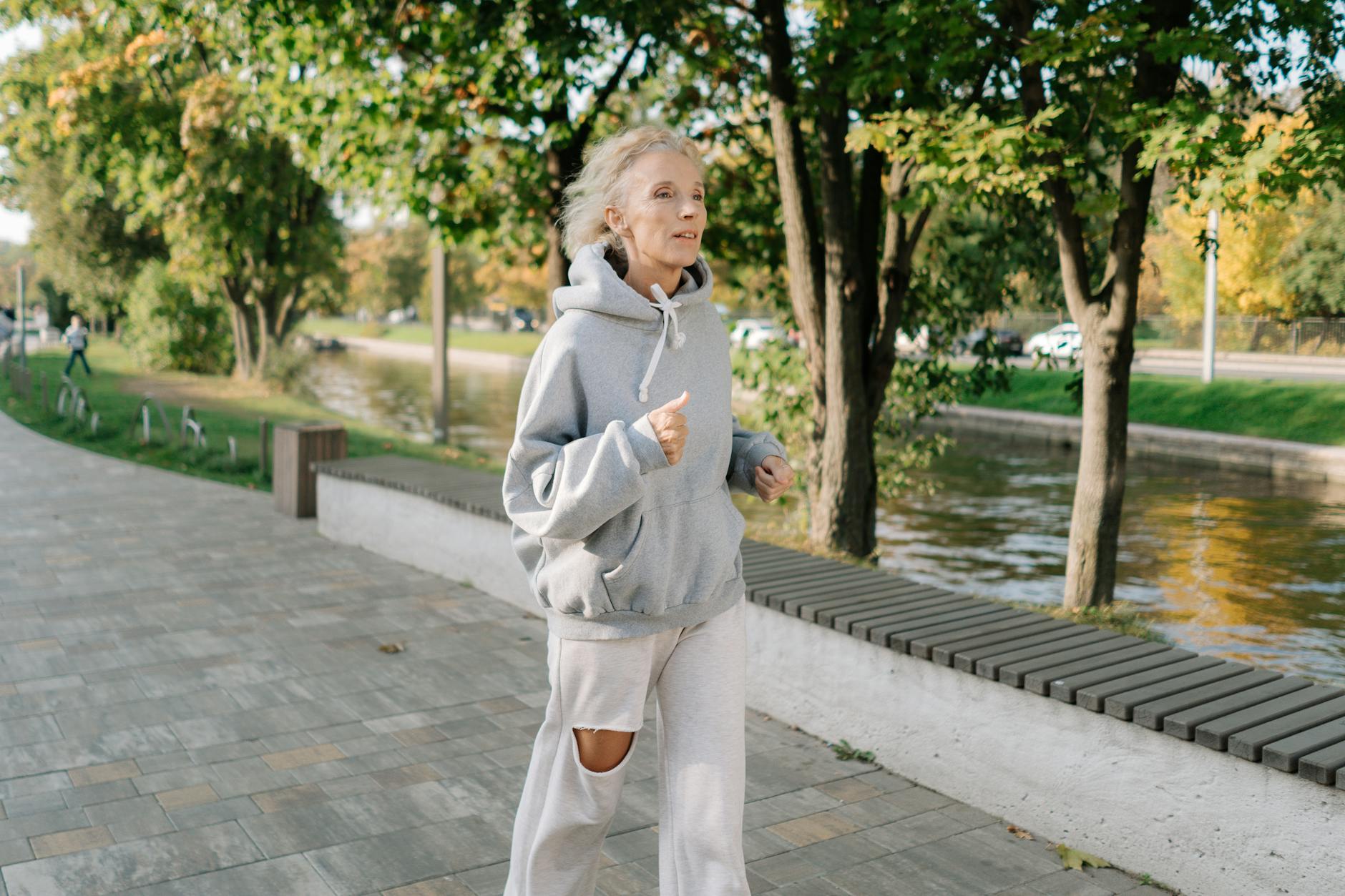
One of the most common things I hear from women in their early sixties is some version of: "I'm eating less than I did five years ago, walking more than I did five years ago, and still gaining weight. Something is broken."
Nothing is broken, exactly. Something has changed — and the old tools, the ones that worked at 40, no longer fit the body at 60.
Menopausal and post-menopausal weight gain is common, frustrating, and genuinely different from weight gain in your 30s or 40s. The good news: the right plan works. The harder news: the right plan is different from what most women in this age group were told to do in the 1990s.
I'm Marischa. I'm a NASM Certified Personal Trainer with the Senior Fitness Specialist credential. Here is the plan I use with women in this situation, and the reasoning behind each piece.
What Menopause Actually Does to the Body
Three main shifts happen around and after menopause:
1. Oestrogen drops
Oestrogen was helping distribute body fat more widely (hips, thighs). As it falls, fat redistribution shifts toward the abdomen, which is why many women notice their waist thickening even without gaining much total weight. The NHS overview of menopause covers this shift in fat distribution clearly.
2. Muscle mass declines faster
Without active strength training, muscle mass tends to decline by roughly 1% a year on average after 50. Muscle is metabolically active tissue, and gradual muscle loss can quietly lower your resting metabolism over time.
3. Insulin sensitivity worsens
Post-menopausal bodies tend to store carbohydrates as fat more readily and tolerate blood-sugar spikes less well. Guidance from the National Institute on Aging has documented this clearly.
Combine these three, and the same breakfast you ate for decades now settles differently. It's not in your imagination.
Why the Old Rules Don't Work
The standard advice, "eat less, move more", fails most post-menopausal women for two reasons:
- Cutting calories without preserving muscle accelerates muscle loss, which makes metabolism worse, which makes maintenance even harder.
- Moving more without strength training improves cardiovascular fitness but doesn't reverse the underlying metabolic shift.
The pattern I see most often is exactly this combination: very low calories, lots of steady walking, no strength training. It leaves women exhausted, hungry, not losing weight — and worse, losing muscle rather than fat. The plan needs to change.
The Plan That Worked
Four pillars, all of them non-negotiable. None of them heroic.
Pillar 1: Strength Training (Twice a Week, Non-Negotiable)
This is the single biggest change most women over 60 need to make. Strength training:
- Preserves and rebuilds muscle, protecting metabolism
- Improves insulin sensitivity meaningfully
- Specifically reduces abdominal fat in post-menopausal women (multiple studies on the National Institute on Aging)
A realistic starting point for most women is 25-minute sessions, twice a week, body-weight and resistance-band work. Light dumbbells usually come in around week four. By around week twelve, full body-weight squats, dumbbell rows, hip hinges, wall push-ups, and light kettlebell deadlifts are usually within reach.
If you're new to strength work, start with the plan in our strength training after 60 guide.
Pillar 2: Daily Walking (Most Days, 30 Minutes)
Walking is still your best friend, for mood, cardiovascular health, blood sugar control, and general resilience. Guidance from the National Institute on Aging consistently shows walking after meals specifically blunts post-meal blood sugar spikes.
Thirty minutes most days, often after dinner, is a sensible target. Our walking guide has a sensible plan.
Pillar 3: Protein at Every Meal
This is the nutritional change that surprises most women I work with. A typical starting point is around 50 g of protein a day, mostly clustered at dinner. The goal is closer to 90–100 g, spread across three meals. Not a calorie change — a distribution change.
Specifically:
- Breakfast: Greek yogurt or eggs (25–30 g)
- Lunch: salmon, chicken, tofu, or cottage cheese salad (25–30 g)
- Dinner: whatever she normally ate, protein-first
Her appetite dropped. Her energy stabilised. Her muscle responded to the strength training. Our deep dive on how much protein women over 60 need has the full picture.
Pillar 4: Some Honest Nutrition Changes
Not diet, exactly. More like sensible tweaks.
- Slightly fewer refined carbohydrates. White bread, pastries, sugary drinks. Not eliminated, reduced.
- More vegetables at every meal. Filling, nutritious, low-calorie.
- Less alcohol. Alcohol is a sleep wrecker and an easy source of empty calories. A common adjustment is going from a daily glass of wine to two or three glasses a week.
- Mindful timing. Most of her calories earlier in the day. A lighter evening meal, 2–3 hours before bed.
The NHS has solid general nutrition guidance worth reading alongside this.
What Wasn't on the Plan
I want to be honest about what we didn't do:
- No extreme calorie cuts
- No cutting out whole food groups
- No obsessive tracking (she did track protein for 2 weeks just to understand portions, then stopped)
- No "cleanse" anything
- No expensive supplements
The basics, done consistently, do more than elaborate strategies done briefly.
Sample Week (Months 2–3)
- Monday: 25-min strength session + 20-min walk
- Tuesday: 30-min walk + 10-min balance work
- Wednesday: Gentle yoga or rest
- Thursday: 25-min strength session + 20-min walk
- Friday: 30-min walk + 10-min balance work
- Saturday: Longer walk (45 min) with a friend, or a social activity that involves movement
- Sunday: Rest or gentle stretching
Plus: daily morning 5-min stretch, 5 minutes of daylight within 30 minutes of waking, walk after dinner when possible.
Hot Flushes and Sleep
If hot flushes are still disrupting sleep, exercise helps over time but isn't immediate. The sleep piece matters enormously for weight, poor sleep raises hunger hormones and reduces impulse control around food. Our sleep and exercise piece covers this in detail.
How Long Until You See Change?
What I typically see with this plan: visible change around week 6, real change at around 12 weeks. By six months, many women are down five to ten pounds (mostly around the middle), noticeably stronger, and sleeping better. The numbers on the scale rarely match the headline targets people imagine — but body composition, not scale weight, is the real win.
When to Consider Talking to Your Doctor
- If you're gaining weight rapidly despite truly consistent effort
- If you have other new symptoms (fatigue, hair changes, temperature sensitivity)
- If you're already on HRT and unsure about whether to continue
- If mood or sleep is significantly disrupted
Thyroid issues, HRT decisions, and other hormonal factors deserve professional input. I'm a trainer — not a doctor, and the best plans come together when both people are involved.
What About HRT?
This is between you and your doctor. The evidence on HRT for appropriate candidates has shifted meaningfully over the past decade. It's no longer the blanket "avoid" message of the early 2000s. If you're interested, ask for a specialist conversation. The NHS menopause hub keeps an up-to-date overview of treatment options.
My Opinionated Take
Menopausal weight gain is real, frustrating and solvable — but not with the tools most women try first. Add strength training, eat adequate protein, keep walking, and stop starving. That combination is what works.
The women I see get discouraged most are the ones who ate 1,200 calories for six months and barely budged the scale. The women I see succeed are the ones who ate more (specifically, more protein), trained harder (specifically, with resistance), and gave it 12 weeks before judging results.
For a structured, menopause-friendly programme, our exercise guide has a dedicated track, or make a free account to track your sessions. Nothing in this plan requires special talent. It is mostly a matter of changing what you do, then being patient with the result. You can, too.