How Exercise Improves Sleep With Age
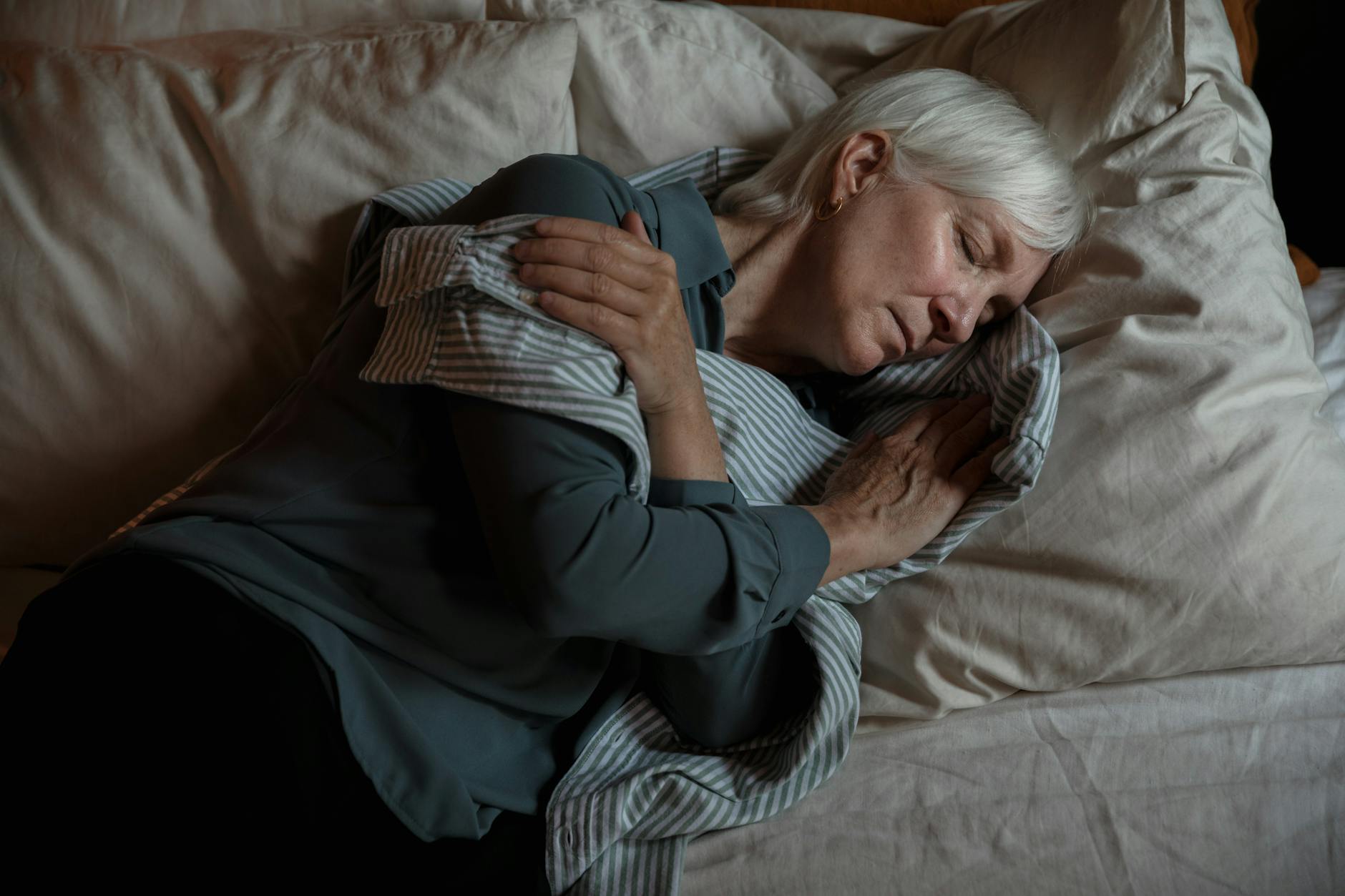
Poor sleep is one of the most common complaints I hear from women over 60. The pattern repeats: falling asleep is fine, but then 3 a.m. arrives, the mind switches on, and the ceiling becomes very familiar. Or sleep is broken into small chunks. Or sleep feels like sleep but doesn't feel restorative.
Sleep changes with age. It's genuinely harder to sleep deeply and continuously at 65 than at 35. But "harder" is not the same as "impossible," and a surprisingly powerful lever for improving sleep is sitting in plain sight: exercise.
I'm Marischa — NASM-certified trainer, Senior Fitness Specialist. Let's look at what the research actually shows about the sleep–exercise connection, and what to do with it practically.
What Changes About Sleep After 60
Three shifts are nearly universal:
- Less deep (slow-wave) sleep. This is the physically restorative stage, and older adults get less of it.
- More night awakenings. Often driven by bladder needs, joint discomfort, hot flushes (even years past menopause), or simply lighter sleep.
- Earlier bedtimes and wake times. Circadian rhythm shifts forward, which is why so many women over 60 wake naturally before sunrise.
Some of this is inevitable. The amount of deep sleep you get, however, is one of the parts you can influence. And exercise is the most reliable tool we have.
What the Research Says
Evidence reviewed by the Sleep Foundation has looked specifically at exercise and sleep in older adults. The pattern is consistent:
- Studies have reported notable improvements in self-rated sleep quality among older adults who exercise regularly, with effect sizes that vary considerably across trials.
- The effect is particularly strong for women dealing with chronic insomnia.
- Both aerobic exercise (walking, cycling) and resistance training independently improve sleep; combining them is even better.
- Effects build over 4–8 weeks of consistent exercise, so give it time.
The Sleep Foundation's overview of exercise and sleep and the NHS sleep advice pages both document this connection extensively. When I say exercise is the secret to better sleep after 60, I mean that literally in research-terms: not as a fitness-industry slogan.
Why Exercise Helps
Several overlapping mechanisms:
1. Deeper, more consolidated sleep
Physical exertion increases your "sleep pressure", the body's drive for deep restorative sleep. A sedentary day produces low sleep pressure; hence the light, fragmented sleep that bodies without enough physical challenge often fall into.
2. Better circadian alignment
Outdoor exercise in daylight hours is the single best way to anchor your body clock. Morning sunlight on skin and eyes (not through glass) resets the circadian rhythm and produces better sleep 14–16 hours later.
3. Reduced anxiety and rumination
Moderate exercise has a real, measurable anxiolytic effect. Less mind-chatter at 3 a.m.
4. Reduced physical discomfort
Strong, mobile muscles ache less at night. Arthritic joints move more easily. Back pain (a major sleep disruptor in women over 60) typically improves with the right exercises — see our back pain guide.
5. Temperature regulation
Regular exercise improves the body's ability to drop core temperature at night: a key trigger for sleep onset.
Timing Matters
This is where many women get stuck, so let me be specific.
Best times to exercise for sleep
- Morning (before 10 a.m.): Ideal. Anchors circadian rhythm, starts the day with endorphins, doesn't interfere with evening wind-down.
- Early afternoon: Also excellent, especially if combined with outdoor time.
- Early evening (before 7 p.m.): Fine for most people. Some find it energising, some find it helps sleep.
Worst times
- Vigorous exercise within 2 hours of bedtime: Often disrupts sleep onset because core temperature and heart rate stay raised.
- Heavy strength training late at night: Same problem.
That said, individual variation exists. Some women sleep wonderfully after a late yoga class. Know yourself.
Gentle evening activity: fine
Here's the important distinction: gentle evening movement like stretching, a slow walk after dinner, or light yoga is usually sleep-promoting, not sleep-disrupting. It's the vigorous workouts that can backfire late.
Our morning stretching routine can be done in reverse as an evening wind-down.
What Kind of Exercise Works Best for Sleep?
Short answer: all of the main types help, but some have specific benefits.
Cardio (walking, cycling, swimming)
The most studied type for sleep. Around 30 minutes of moderate cardio, 4–5 days a week, tends to improve sleep quality for many people after several weeks of consistency, although individual response varies. Outdoor walking — especially in morning daylight: is the gold standard. See our walking guide for a sensible on-ramp.
Strength training
Two short sessions a week deepen sleep in older adults, likely via the muscle-building and hormone effects of resistance training. Our strength training after 60 guide has a beginner's plan.
Yoga and tai chi
Particularly useful for women whose main sleep issue is anxiety or rumination. Gentle yoga in the evening has specific evidence for improving sleep in post-menopausal women.
Balance training
Indirect benefit, better balance reduces fall-related anxiety, which a lot of women carry into bed.
A Week That Tends to Produce Good Sleep
- Monday: Morning 30-min walk + 20-min strength session
- Tuesday: Morning 30-min walk + 10-min balance work
- Wednesday: Gentle yoga or Pilates (any time of day)
- Thursday: Morning 30-min walk + 20-min strength session
- Friday: Morning walk + afternoon gardening or social activity
- Saturday: Longer walk (45–60 min), ideally with a friend, in daylight
- Sunday: Rest or gentle evening stretch
Every morning: 5 minutes outside within 30 minutes of waking, if daylight allows. Coffee on the back step counts. This is arguably the most powerful habit of all.
Other Sleep Essentials Worth Mentioning
Exercise works better combined with basic sleep hygiene:
- Consistent bedtime and wake time, even on weekends
- Cool, dark, quiet bedroom
- Avoid screens for 30–60 minutes before bed
- Avoid alcohol within 3 hours of bed — it wrecks sleep architecture even when it helps you drop off
- Avoid large meals late
- Caffeine cutoff by 2 p.m. for most women over 60
Don't try to change all of these at once. Pick one. Then another.
Menopause, Hot Flushes, and Sleep
If you're still experiencing hot flushes, exercise specifically improves thermoregulation and can reduce their intensity over time. Guidance from the NHLBI suggests regular exercise reduces hot-flush frequency and severity modestly but meaningfully. It's not a cure, but it's a contributing factor worth keeping up. Our piece on menopause weight gain exercise plan covers the broader menopausal picture.
When to See Someone
If you:
- Snore loudly or stop breathing in sleep (your partner will tell you)
- Wake gasping for air
- Have persistent sleep problems despite doing the basics well for 6+ weeks
- Feel desperately fatigued during the day
…see your GP. Sleep apnoea is common in older women and under-diagnosed; it has specific treatments that transform sleep when identified.
My Opinionated Take
If you struggle with sleep and you're not exercising regularly, fix that first, before sleeping pills, before fancy mattresses, before supplements. The research is too consistent to ignore. Daily movement, especially in morning daylight, is the single most powerful sleep intervention available.
If you are already exercising regularly and still sleeping badly, dig into sleep hygiene, consider a conversation with your GP, and look for hidden causes (pain, medication timing, undiagnosed sleep apnoea).
For a structured programme that prioritises morning movement, our exercise guide has a sleep-friendly track, or create a free account to track your habits. Better sleep is often just a few morning walks away.